

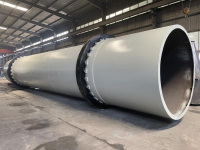
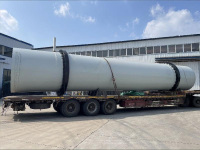
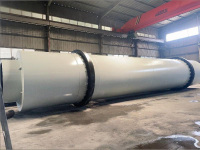
Horno rotatorio de arena cerámica
El horno rotatorio para arena de ceramsite (comúnmente conocido como horno rotatorio para arena de ceramsite) es un equipo clave para la calcinación de productos de ceramsite. Es un dispositivo utilizado para la calcinación a alta temperatura de materiales como arena cerámica y caolín ultrafino. El horno rotatorio para ceramsite se utiliza ampliamente para calcinar y producir diversos materiales, como arcilla, lodo amarillo, limo de río, cenizas volantes, pizarra y escoria. También es un equipo vital en las líneas de producción de cerámica, gracias a su alta capacidad volumétrica, larga vida útil, alta disponibilidad operativa, rendimiento estable, eficiente transferencia de calor y bajo consumo de calor, lo que lo convierte en un equipo ideal para la calcinación de cerámica.
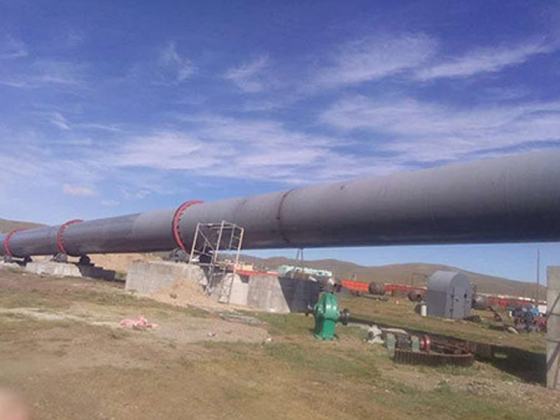
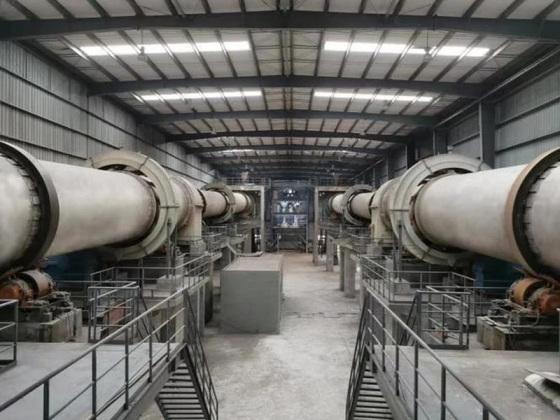
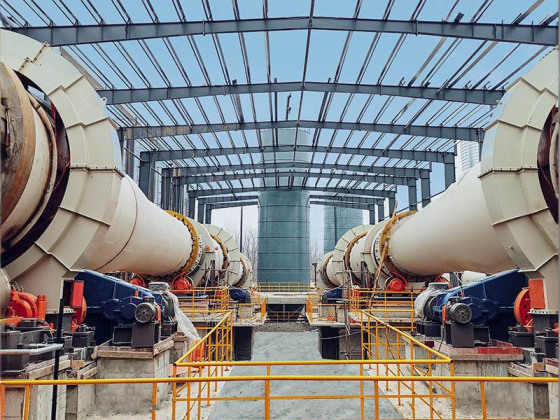
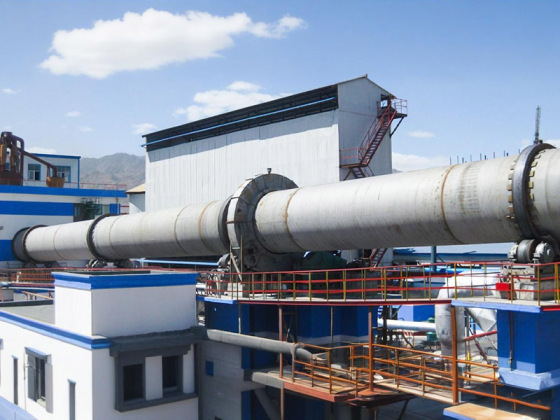
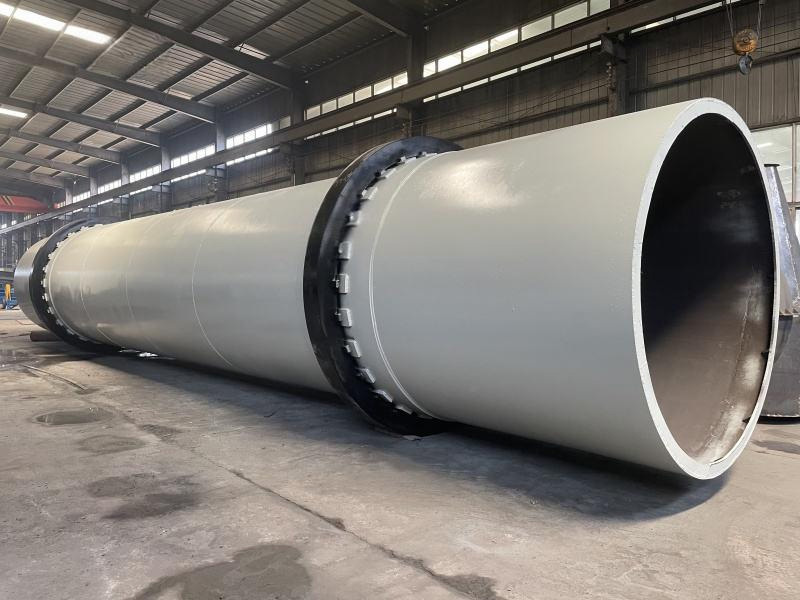
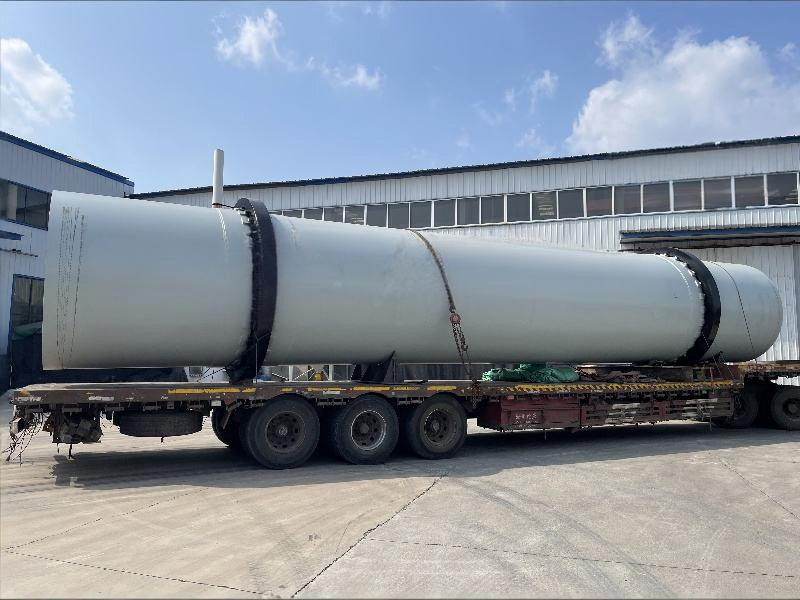
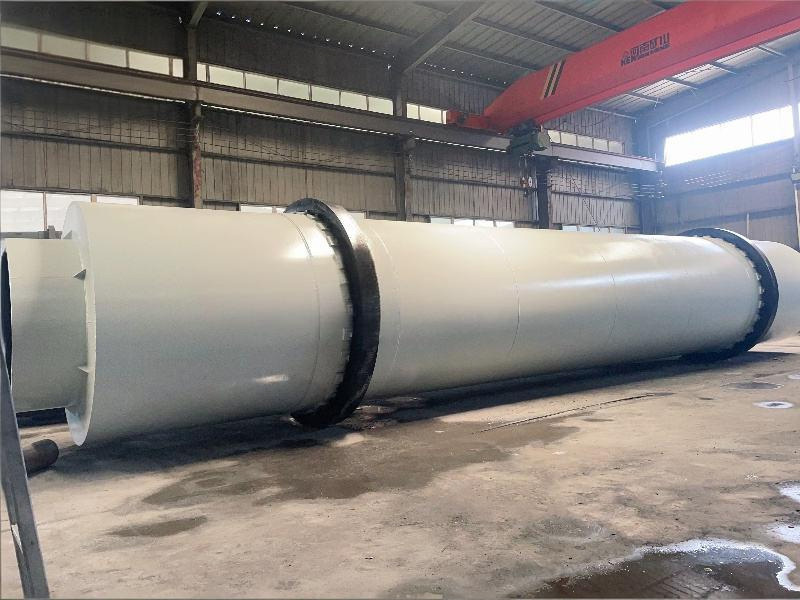
Su estructura principal consta de un cilindro giratorio, un dispositivo de soporte, un sistema de transmisión, un dispositivo de sellado y un quemador. El cuerpo del horno está inclinado y soportado por rodillos. Equipado con control automático de temperatura, recuperación de calor residual del aire secundario y tecnología de sellado en la cabeza y la cola del horno, ofrece ventajas como bajo consumo de energía, alto rendimiento y alta eficiencia de transferencia de calor.
- Luoyang Hanfei Power Technology Co., Ltd
- Henan, China
- Posee capacidades de suministro completas, estables y eficientes para hornos rotatorios y sus componentes.
- información
Ceramic Sand Rotary Kiln (also known as Ceramsite Sand Rotary Kiln)
A rotary cylindrical thermal processing unit engineered specifically for high-temperature calcination of ceramic granules. Utilizing an internally heated calcination system as its core, the kiln maintains precise operating temperatures between 950°C and 1050°C, enabling key functions such as dehydration, decarbonization, whitening, and activation of materials. While optimized for processing ultra-fine kaolin, it is also versatile enough to handle large-scale calcination of various raw materials including ceramsite sand, bauxite, and quartz sand.
Structural Composition & Operational Advantages
The kiln consists of five main components: rotary cylinder, support system, drive unit, sealing mechanism, and burner. Mounted at an inclined angle and supported by riding rings, it operates via a dual main-auxiliary drive system for smooth and controllable rotation. During operation, materials undergo simultaneous axial movement and circumferential tumbling, ensuring consistent heating throughout the process.
An integrated sealing system—combining hood-type and axial-contact seals—along with intelligent temperature control and secondary air heat recovery technologies, significantly improves thermal efficiency while minimizing heat loss. This design foundation ensures stable and repeatable calcination outcomes.
Key Performance Strengths
1.Compact & Efficient Design: High capacity per unit volume, coupled with excellent heat transfer and low thermal consumption, supports cost-effective industrial production. The kiln body is built from specialized refractories with high wear and temperature resistance, ensuring longevity, reliability, and ease of operation.
2.Intelligent Control & Energy Recovery: Features a precision temperature control system with overheat alerts, while secondary air heat recovery further reduces energy use. Optimized lining materials and installation methods extend service life and reduce downtime.
3.Advanced Sealing & Stability: Dedicated sealing solutions at both kiln ends effectively prevent air and material leakage, enhancing operational consistency and increasing throughput.
Customizable & Scalable Configuration
Designed to meet modern industrial demands for scale and customization, the kiln can be tailored to specific capacity requirements, material characteristics, and plant layouts. Modular design and standardized components shorten installation time, simplify maintenance, and support continuous, large-volume production.
Broad Industrial Applications
Calcined output is widely used in petroleum fracturing proppants, construction ceramsite, refractory materials, and concrete aggregates. It also serves high-end sectors such as papermaking fillers, coating production, oil extraction, and aerospace components. The integrated production line supports crushing, pelletizing, calcination, and cooling, and can process solid wastes like fly ash—supporting circular economy objectives. Equipped with heat recovery and pulsed dust collection systems, the kiln meets stringent environmental standards while maximizing energy reuse.
As a dedicated solution for ceramic granule calcination, this rotary kiln delivers uniform heating and controlled material modification through internally heated processing. Its engineered design—inclined cylinder, riding ring support, and high-performance sealing—ensures dependable long-term operation. When combined with smart controls and heat recovery technology, it achieves an optimal balance of low energy use, high output, and thermal efficiency. The system supports both sustainable resource utilization and strict emission compliance, making it a robust enabling asset for sectors such as petroleum, construction, papermaking, and aerospace.